Pie Cafe Colorado Springs: Sweet and Savory Bites Worth Trying
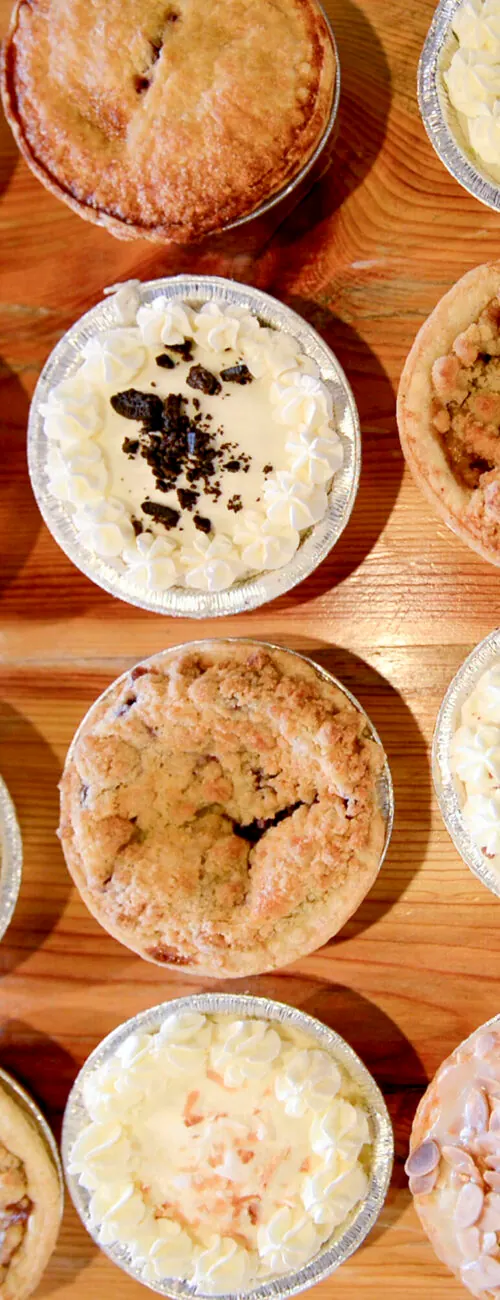
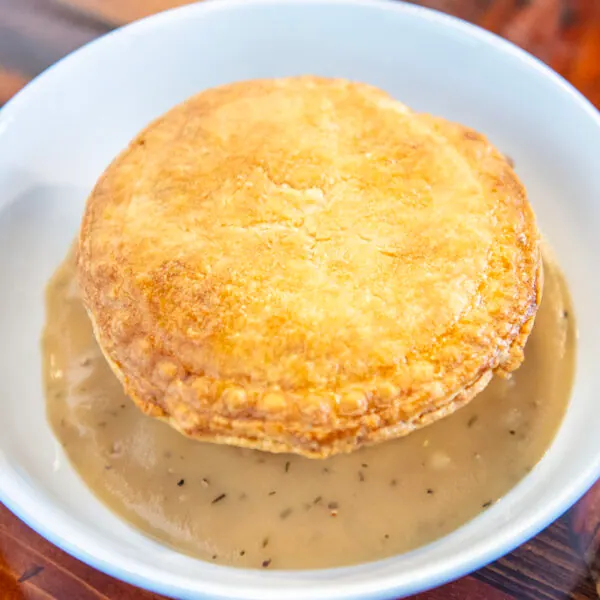

There is something unusually comforting about a café that takes pie seriously. Not pie as an afterthought tucked beside the register, and not pie as a holiday-only gesture, but pie as the center of the experience. In Colorado Springs, where coffee culture, casual lunch spots, and family-run bakeries often overlap, a good pie café can fill several roles at once. It can be a quick breakfast stop, a lunch destination, a midafternoon refuge, and the place you remember when a dinner party needs dessert and nobody has time to bake.
If you are searching for a pie cafe colorado springs locals would happily revisit, the most useful approach is not to chase hype alone. It helps to know what actually separates a memorable slice from one that simply looks good in a display case. The best pie cafés tend to get the fundamentals right: a crust with structure and flavor, fillings that are balanced rather than aggressively sweet or salty, and a menu that respects both the savory and dessert side of pie-making.
That balance matters more than people think. Plenty of bakeries can produce a decent fruit pie. Far fewer can move confidently between a savory handheld pie at lunch and a polished cream pie later in the day without one side of the menu feeling neglected. When a café handles both well, you can feel the craft behind it.
What makes a pie café worth the stop
A strong pie café usually reveals itself before the first bite. You notice a few things right away. The crusts are not pale and limp. The fruit pies are not leaking into their tins. Savory pies hold their shape when sliced. The room smells like butter, toasted flour, coffee, and something savory coming out of the oven. That sensory mix tends to be a good sign because it suggests the kitchen is producing throughout the day rather than relying entirely on items made long in advance.
Texture is usually the first real test. With sweet pies, the crust should offer a little resistance before giving way, not shatter into dust and not slump like underbaked pastry. With savory pies, the bottom crust matters just as much as the top. If the base is soggy, the filling may still be tasty, but the pie has missed the mark structurally.
In Colorado Springs, altitude quietly raises the bar for bakers. Dough can dry out faster. Fillings can behave unpredictably. Custards and meringues demand attention. A café that consistently turns out good pie in that environment is doing more than following a recipe. It is adjusting, tasting, and correcting in real time, which is usually the mark of an experienced kitchen.
The sweet side, where details matter
Sweet pie is easy to romanticize and surprisingly hard to execute. Most people can tell when something is too sweet, but the better pies fail in subtler ways. A cream pie can be handsome but dull. A fruit pie can be bright at first bite and then cloying by the third. A pecan pie can hit with richness and then become heavy halfway through the slice.
The sweet pies most worth trying are the ones that create contrast. Think tart fruit against a buttery crust, or silky chocolate filling with a touch of bitterness that keeps it from tasting flat. Lemon pies, berry pies, apple pies, and chocolate-based pies all rely on balance, just through different routes.
Fruit pies are often the clearest measure of skill. Apple pie seems simple until you run into common problems: underseasoned apples, too much thickener, slices that collapse into mush, or a crust that turns soft from excess moisture. When done well, apple pie has distinct slices of fruit, enough spice to support rather than dominate, and a filling that stays cohesive on the fork. In a Colorado setting, a warm apple pie with a cup of coffee remains one of the most reliable café orders there is, especially during colder months.
Berry pies can be trickier. Blueberry, cherry, mixed berry, and similar fillings need restraint. Too much sugar and the fruit disappears. Too much starch and you get something closer to jam than pie. A good berry pie keeps some sharpness. It tastes like cooked fruit, not candy. If the juices lightly stain the plate, that is usually fine. If the slice sits in a glossy syrup puddle, the filling likely went too far.
Cream and custard pies deserve equal attention. Coconut cream, banana cream, chocolate cream, and classic custard styles are often crowd-pleasers because they feel generous and nostalgic, yet they can expose every shortcut. The filling should be smooth and clean-tasting, never grainy or rubbery. Whipped topping should add lightness, not hide a weak filling. Even the proportion matters. Too tall, and the pie becomes cumbersome. Too shallow, and it loses that luxurious spoon-and-fork appeal that cream pie should have.
One practical sign of a strong dessert case is that the café does not rely on sweetness alone. When the pies are well made, you notice butter, citrus, toasted nuts, vanilla, cinnamon, dark chocolate, or fresh fruit acidity before you notice sugar.
Savory pies are often the real reason to return
Dessert may get people through the door, but savory pies are what turn a pie café into a lunch habit. They bring substance, portability, and real range. Depending on the café, that can mean pot pies, hand pies, quiches, galettes, or meat and vegetable pies with regional or seasonal variations.
Savory pastry asks for good judgment in a different way. Richness has to be managed carefully. A creamy chicken filling might sound appealing, but if it is too thick or too salty, the experience becomes tiring after a few bites. Vegetable pies can be even harder because they need structure and flavor without collapsing into watery fillings or bland soft textures.
A well-made savory pie usually has three things going for it: seasoning, contrast, and proportion. Seasoning means enough salt, herbs, pepper, and aromatics to make the filling feel complete. Contrast means something to cut through the richness, perhaps roasted vegetables, mushrooms with depth, a little acidity, or flaky pastry against a softer interior. Proportion means the crust and filling support each other. Too much dough and the pie becomes stodgy. Too much filling and the crust loses its job.
In practice, some of the best savory orders are often the simplest. Chicken pot pie works when the gravy is savory rather than floury, and when the vegetables still have identity. Steak or beef pies need tenderness without greasiness. Spinach and cheese pies need brightness, often from herbs or a little tang, to avoid tasting heavy. Mushroom pies can be exceptional if the cook understands how to build umami and keep moisture under control.
There is also the matter of timing. Savory pies have a narrow window where they are especially satisfying. Fresh from the oven or properly reheated, the crust revives and the filling settles into the right texture. Held too long in a warmer, even a good pie starts to flatten in flavor and texture. If you visit a pie café during a rush, ask which savory pies have just come out or which ones reheat best. Staff usually know, and the answer can improve your meal noticeably.
A few bites that are usually worth your attention
When I scan a pie café menu, I tend to look for items that reveal technique rather than novelty. Clever flavor combinations can be fun, but they are not always the smartest first order. Start with items that force the kitchen to execute the basics well.
- Apple pie, because it exposes crust quality and balance.
- A savory chicken or beef pie, because it tests texture, seasoning, and reheating.
- A cream pie, because smooth filling and proper structure cannot be faked.
- A seasonal fruit pie, because good cafés know how to handle produce at its peak.
- A quiche or hand pie, because it shows whether the pastry works beyond dessert.
That kind of order tells you more than the most extravagant special on the menu. Once a café proves itself there, the bolder options become easier to trust.
Coffee, tea, and what actually pairs well
Pie cafés often double as coffee stops, and that pairing is more than a convenience. The drink can sharpen or flatten the food. A very sweet mocha beside a cream pie is usually too much. A dark roast with a delicate custard can overwhelm it. Pairings do not need to be precious, but they help.
Fruit pies generally sit well with drip coffee, Americano, or black tea because those drinks let acidity and spice come through. Cream pies often benefit from simpler coffee drinks with less sugar. Savory pies can handle stronger coffee, though tea and sparkling water can be better if the filling is rich.
One detail many people overlook is temperature. A slightly warm fruit pie and hot coffee make obvious sense, but cold cream pie with hot coffee can be especially satisfying because the contrast keeps each bite distinct. Savory pies with coffee work best when the pie is not screaming hot. Letting it cool a minute or two improves flavor perception and saves the roof of your mouth.
How to tell if the pastry is carrying its weight
Crust is not just a container. It contributes flavor, aroma, and pace. A good crust makes you slow down slightly because it asks to be bitten, not merely cut through. Butter-forward crusts often smell faintly nutty and rich. Shortening-based crusts can be flaky too, though they sometimes lack the same depth of flavor. Neither is automatically wrong, but the final result should feel intentional.
The most common crust problems are easy to spot once you know them. Underbaked bottoms stay pasty and dense. Overworked dough gets tough. Excess flour on the exterior leaves a chalky finish. Decorative tops can look attractive while hiding structural issues underneath. If the crust tastes bland, the pie will struggle no matter how strong the filling is.
A café that respects crust also tends to show discipline elsewhere. It cuts cleaner slices. It avoids overfilling. It reheats thoughtfully. These are small operational choices, but they shape the customer experience more than flashy flavors do.
Value is not just about slice size
People often judge café value by portion alone, yet pie is one of those foods where quality can justify restraint. A huge slice with a weak crust and sugary filling is less satisfying than a smaller, better-made slice that leaves a clear impression. The same goes for savory pies. A giant pie that sits heavily all afternoon is not automatically a better lunch than a modest one made with more care.
What you are really paying for at a good pie café is labor and consistency. Lamination is not usually part of pie pastry, but good dough still takes time. Fruit fillings need prep. Custards need attention. Savory pies often involve cooked components assembled in layers. If the café handles all of that in-house, the value equation shifts.
That said, there are practical expectations. The slice should be cleanly served, not collapsing from poor storage. Savory pies should feel substantial enough for lunch or be clearly priced as a lighter option. Coffee should be competent enough to support the food rather than drag it down. If a café gets those basics right, it earns repeat visits.
The atmosphere matters more than pie purists admit
Even excellent pie tastes better in a room that feels cared for. Pie cafés thrive on mood. Natural light, visible pastry cases, a little oven warmth, and a calm counter interaction all reinforce the food. In a city like Colorado Springs, where people move between errands, hikes, office breaks, and weekend drives, the best cafés understand flow. They know some customers want a quick hand pie to go, while others want to sit with coffee and split two dessert slices at a relaxed pace.
Good seating matters, especially if savory pies are part of the draw. A pie café that wants to be a lunch destination needs tables that actually work for lunch, not just tiny perches meant for espresso. Sound level counts too. Pie invites conversation. If the room is frantic, people are less likely to linger over a second item or take a whole https://simonrefp209.lucialpiazzale.com/how-pie-cafe-colorado-springs-became-a-beloved-local-spot pie home.
There is also a seasonal component in Colorado Springs. On colder days, hearty savory pies and warm fruit desserts feel tailor-made for the climate. In warmer months, citrus, berry, and chilled cream pies come forward. A café that rotates naturally with the season tends to remain interesting without chasing trends.
When to go, and what to order first
If you want the best selection, earlier is usually safer, especially for fruit pies and popular savory options. Many pie cafés produce in batches, and once a favorite sells out, that is often it for the day. Midmorning can be an ideal window because the first wave has usually come out, the coffee is fresh, and the lunch crowd has not yet arrived.
Afternoons have their own charm, particularly if you are after dessert. By then, you can often see what is moving and what the café is proud to display. Ask simple questions. Which pie is best today? Which savory option reheats well if you want to take it home? Is that cream pie served chilled or room temperature? These questions are ordinary, and good staff can answer them quickly.
If you are ordering for a group, variety beats volume. One fruit pie, one cream pie, and one savory option can satisfy a table more effectively than doubling down on a single style. Pie is rich enough that contrast keeps everyone interested.
Here are a few reliable pairing ideas if you want to order with purpose:
- Apple or berry pie with black coffee or an Americano
- Chocolate or cream pie with plain coffee or unsweetened tea
- Chicken or beef savory pie with coffee, tea, or sparkling water
- Vegetable pie with tea or a lighter coffee
- A whole pie to go, plus one slice to eat on site so you know what you are bringing home
Why pie still stands out in a crowded café city
Colorado Springs has no shortage of places to grab coffee, pastries, or lunch. That is precisely why a true pie-focused café still feels distinctive. Pie slows things down just enough. It asks for a fork, a plate, a little patience. Even the portable versions have more personality than the average sandwich or muffin. There is also genuine range in the category. Pie can be rustic or polished, humble or celebratory, savory enough for lunch or elegant enough for dessert after a dinner party.
For locals, that versatility is useful. A pie café can solve several problems in one stop. Lunch for now, dessert for later, something comforting on a cold day, or a whole pie for a gathering. For visitors, it offers a more memorable break from generic café fare. You are not just grabbing calories. You are stepping into a food tradition that still rewards craft.
The best pie cafe colorado springs visitors and residents seek out is not necessarily the one with the biggest menu or the flashiest display. More often, it is the one where the crust tastes like someone cared, the fillings are balanced, and the savory side gets as much respect as the dessert case. If you find a place that can give you a flaky savory pie for lunch and a clean, well-balanced fruit or cream slice afterward, you have found something rarer than it should be.
That kind of café tends to earn loyalty quietly. People return because the food is dependable, because the room feels good, and because pie, when it is made with skill, remains one of the most satisfying things you can set in front of someone.
3.14 Pi Bar
5152 Centennial Blvd
Colorado Springs, CO 80919
(719) 314-6172
FAQ About pie cafe colorado springs
Does 3.14 Pi Bar serve sweet and savory pies?
Yes. The café serves savory pot pies and seasonal sweet pies made from scratch. Flavors can vary.
Can I order a whole pie to take home?
Yes. The café sells whole sweet pies to take home. Check the current menu for flavors and ordering options.
Does 3.14 Pi Bar offer take-and-bake pies?
Yes. The café offers prepared pies that you can bake at home. Check the current menu for available varieties.