What Are Drunken Noodles and Why Are They So Popular?
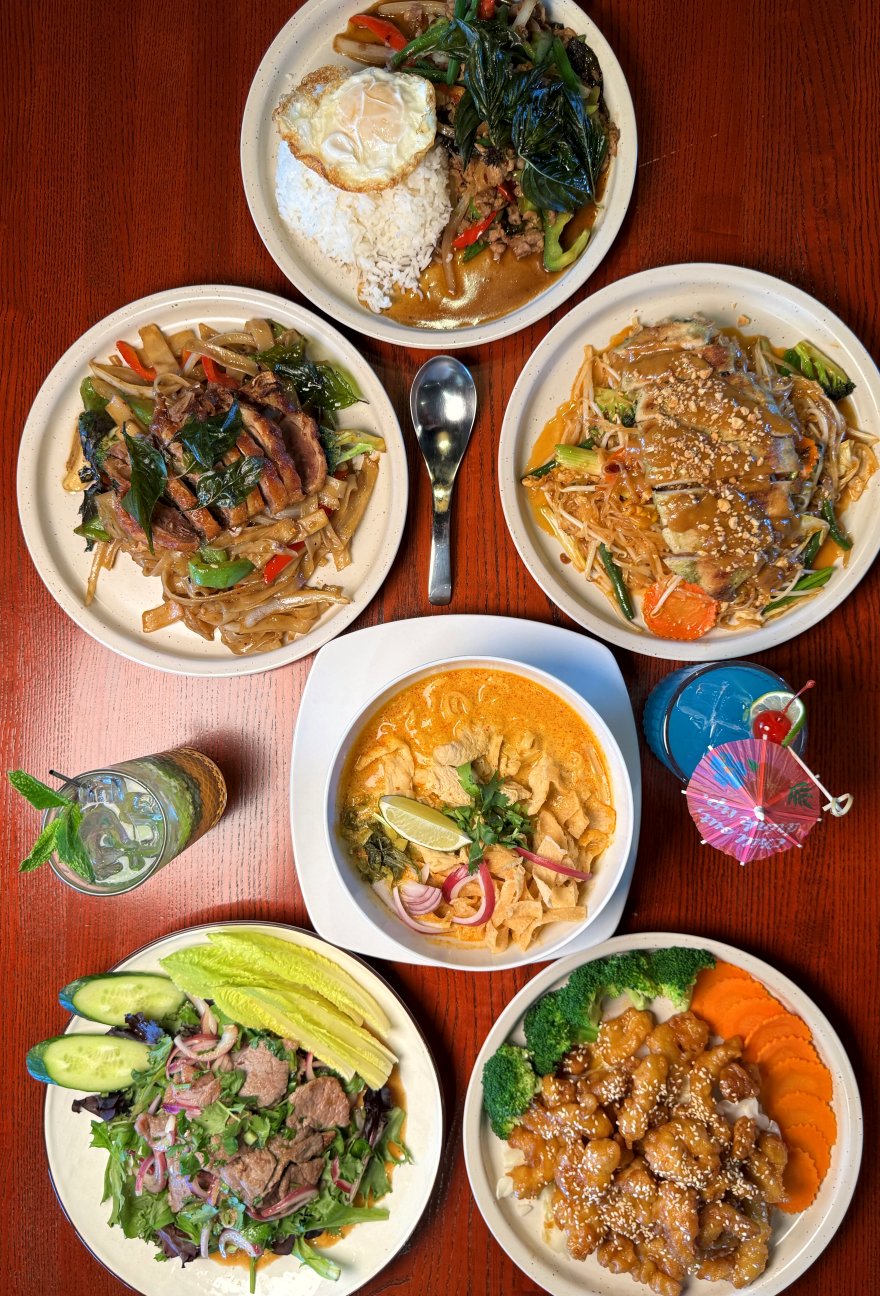

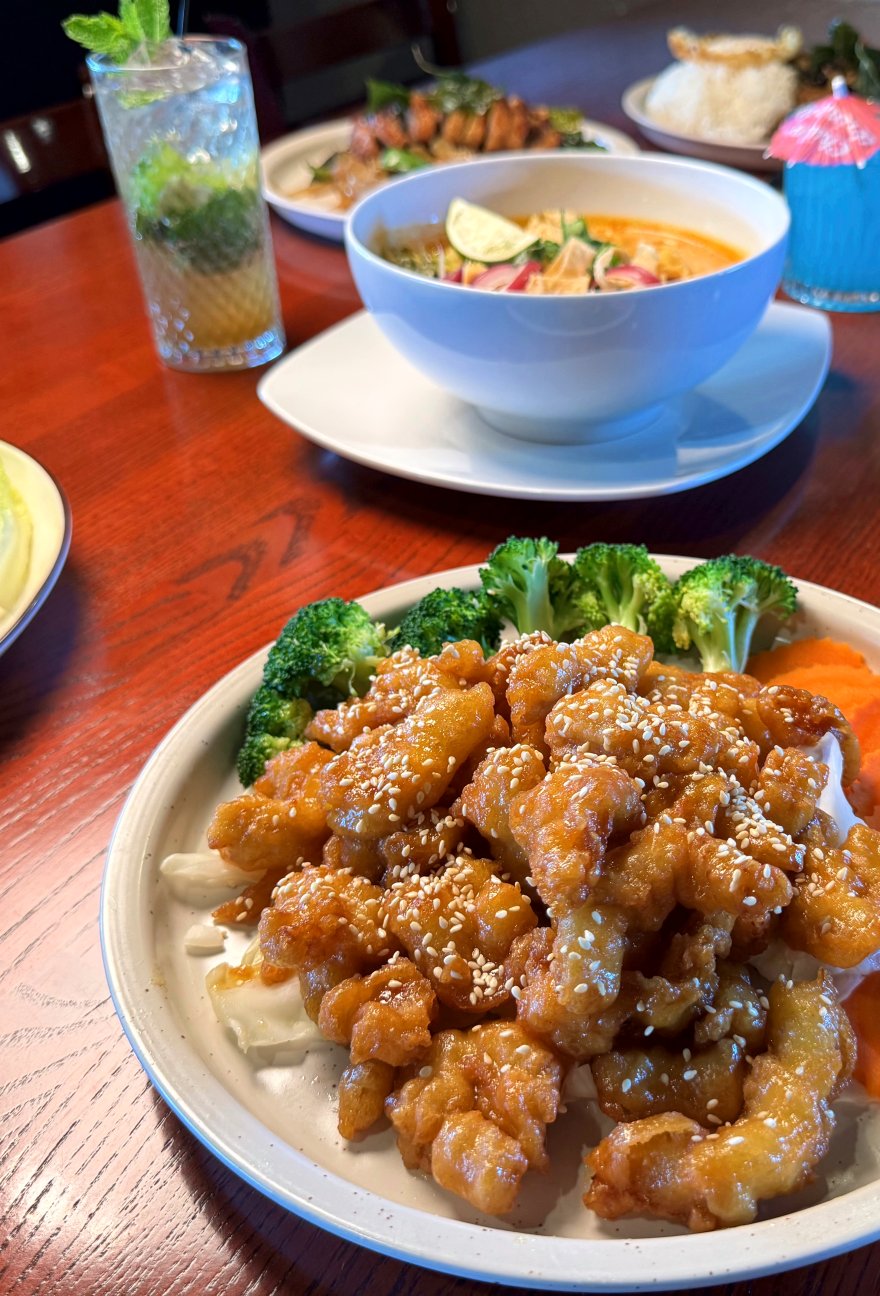
Few noodle dishes inspire the kind of instant loyalty that Drunken Noodles do. Order them once at a good Thai restaurant and they tend to become a repeat craving, the sort of meal people think about on a cold night, after a long shift, or when plain comfort food will not quite do the job. They are rich but not heavy, fiery but not one-note, and deeply savory in a way that lingers. Even people who cannot name every ingredient usually remember the experience clearly: wide slippery noodles, fragrant basil, flashes of chile, and that dark glossy sauce clinging to every fold.
Drunken Noodles, known in Thai as pad kee mao, occupy an interesting place in the global Thai food canon. They are familiar enough to appear on nearly every Thai takeout menu in North America, the UK, and Australia, yet there is still confusion about what the dish actually is. Some assume it contains alcohol. Others think it is simply a spicier version of pad see ew. Many know they love it but cannot explain why.
The appeal makes more sense once you understand what the dish is built to do. It is designed around contrast, speed, and intensity. The best versions taste immediate, almost improvised, but they rely on careful technique. That tension, between seeming casual and being technically precise, is part of what makes the dish so compelling.
The dish behind the name
Drunken Noodles are a stir-fried noodle dish made with broad rice noodles, garlic, fresh chiles, Thai basil, vegetables, and a savory sauce that usually includes soy-based seasonings and fish sauce. Many versions also include a protein such as chicken, pork, shrimp, squid, or tofu. The defining character comes from the combination of wide noodles, assertive heat, aromatic basil, and high-heat wok cooking.
The name creates curiosity because it sounds more dramatic than the ingredient list. There is no single universally accepted origin story, and that is common with popular street and restaurant dishes. One explanation is that the noodles are something a person might eat after drinking, when they want bold flavors and a satisfying plate of food. Another is that the cook was drunk while inventing the dish, which makes for a better anecdote than a reliable history. A third theory points to the dish being a good match with alcohol because its chile heat and salty, punchy seasoning stand up well to beer.
What matters more than the literal translation is the style. Drunken Noodles are not delicate. They are supposed to hit with aroma first, then heat, then sweetness, salt, and savory depth. When done well, they feel energetic on the palate.
Not just “spicy Thai noodles”
People often reduce Drunken Noodles to a generic category: spicy noodles from a Thai restaurant. That description is not wrong, but it misses the reasons the dish stands out. The wide rice noodles matter because they hold sauce differently from thinner noodles. Their soft, chewy texture creates more surface contact with the wok, so you get little seared spots and saucy folds in the same bite. The basil matters because it changes the aroma entirely. Without it, the dish loses much of its lift and freshness.
Then there is the sauce. In many restaurant kitchens, Drunken Noodles rely on a balance of dark soy sauce for color and mild sweetness, light soy or seasoning sauce for salinity, fish sauce for umami, and a touch of sugar to round off the edges. Depending on the kitchen, oyster sauce may appear, and some cooks add a little stock or water to help the noodles absorb the seasoning evenly. The exact formula varies, but the effect should be clear: deep savory flavor with a slight caramel note and enough moisture to coat the noodles without turning them soupy.
A strong plate of Drunken Noodles should taste layered rather than simply hot. If all you notice is raw chile burn, the dish has not been balanced properly. Good versions let the garlic bloom, the basil perfume the steam, and the noodles soak up the sauce without becoming mushy.
Why the noodles themselves matter so much
Ask a cook who has made this dish in volume and they will tell you the noodles are where success or failure starts. Fresh wide rice noodles are ideal. They have elasticity and softness that dried noodles rarely match, especially in a fast stir-fry. When fresh noodles hit a hot wok, they char lightly at the edges while staying tender in the center. That texture is central to the dish’s identity.
Dried rice noodles can still produce a respectable result, but they demand more care. Over-soak them and they break. Under-soak them and they stay stiff in the center. In a busy home kitchen, this is often where disappointment creeps in. People assume the sauce is the star, when in practice the noodle texture determines whether the whole plate feels lush and satisfying or awkward and brittle.
The width is not a cosmetic detail either. Broad noodles provide heft. They trap sauce in creases, drape over vegetables and meat, and create that signature slippery chew. Thin noodles would make the dish taste sharper and lighter, which is not the point here. Drunken Noodles need body.
The role of heat, and why spice alone is not enough
One reason Drunken Noodles are so popular is that they give diners a sense of intensity without becoming inaccessible. Many restaurant versions are spicy, but they are not usually so hot that flavor disappears. The heat is meant to wake up the dish, not flatten it.
Fresh bird’s eye chiles are often used because they bring both fire and bright, almost green-fruit notes. Garlic is usually pounded or chopped and stir-fried with the chiles to build the aromatic foundation. Then the basil enters near the end, and that is where the dish gains its fragrance. Basil softens the aggressive edges of the chile and redirects the experience. Instead of pure heat, you get a kind of warm, herbal rush.
This is where weaker renditions often fall apart. Some takeout versions use a lot of generic chile paste or dried flakes and not enough fresh basil. Others drown the noodles in sweet soy-heavy sauce that mutes everything else. The result may still be edible, but it lacks the sharp, fragrant personality that makes Drunken Noodles memorable.
A dish built for the wok
Much of the popularity of Drunken Noodles comes down to something diners may not consciously notice: wok hei, the smoky, singed quality produced by very high heat. Even in restaurants that do not use the term, cooks chase that effect. It creates complexity fast. A few seconds too little and the noodles taste flat. A few seconds too much and they scorch or clump.
In professional kitchens, this dish moves quickly. The pan is hot, the ingredients are prepped within arm’s reach, and the noodles are loosened just enough to toss without tearing. The cook often works in small batches because overcrowding destroys the sear and steams the ingredients instead. That detail matters. A giant pan full of noodles sounds efficient, but it usually leads to sticky, pale strands with uneven seasoning.
This is one reason restaurant Drunken Noodles often taste better than homemade attempts. A strong burner and a practiced hand make a real difference. Home cooks can still get close by cooking in smaller portions and resisting the urge to dump in too much sauce at once. The best plates are not saucy in the way spaghetti is saucy. They are coated, glossy, and concentrated.
https://tysonddzd689.urbanvellum.com/posts/drunken-noodles-made-easy-tips-tricks-and-variationsThe basil question: Thai basil versus everything else
If there is one ingredient people underestimate, it is Thai basil. Standard Italian basil can work in a pinch, but it changes the personality of the dish. Thai basil has a firmer leaf and a more assertive aroma, often with notes that feel lightly spicy or anise-like. It stands up to heat better and contributes a distinct fragrance that cuts through the dark sauce.
That fragrance is part of why Drunken Noodles feel more exciting than many other stir-fried noodle dishes. The aroma arrives before the first bite. It lifts the savory richness and keeps the dish from tasting muddy. In practical terms, that means even a generously sauced plate can still feel vivid rather than heavy.
In restaurant tasting, this is one of the easiest ways to spot a thoughtful version. If the basil tastes like a garnish tossed on top at the last second, the dish will feel disconnected. If it has wilted just enough into the noodles, scenting the whole plate, the flavors come together.
How Drunken Noodles differ from pad Thai and pad see ew
People often compare Drunken Noodles with pad Thai and pad see ew because all three appear on mainstream Thai menus, yet they satisfy different cravings.
Pad Thai leans tangy, nutty, and slightly sweet, with tamarind giving it a bright backbone. It is balanced, approachable, and often the gateway dish for diners new to Thai food. Pad see ew also uses wide rice noodles, but it tends to be milder, sweeter, and more soy-forward, with a softer, comfort-food profile. Chinese broccoli is common, and the dish usually emphasizes a mellow char over sharp spice.
Drunken Noodles sit in a different space. They are more aromatic than pad see ew and generally hotter than both. They have a looser, more improvisational feel, especially in kitchens that adjust vegetables and protein according to what is freshest or most practical that day. If pad see ew is the quiet favorite for people who want warmth and familiarity, Drunken Noodles are the louder choice, more restless, more vivid.
That difference helps explain the dish’s popularity. It delivers excitement without requiring unfamiliar ingredients on the diner’s side of the table. Even someone with a conservative palate can recognize what is happening: noodle chew, savory sauce, basil, spice. Nothing is abstract. The pleasure is immediate.
Why restaurant menus love it
From an operator’s perspective, Drunken Noodles make a lot of sense. The dish uses ingredients that overlap with other parts of a Thai kitchen. Rice noodles, basil, garlic, soy-based seasonings, fish sauce, vegetables, and common proteins all fit naturally into existing prep systems. That makes the dish flexible and cost-efficient without feeling cheap.
It also travels reasonably well for takeout, which is no small advantage. Some noodle dishes dry out or turn gummy in the box within fifteen minutes. Drunken Noodles can still suffer if they sit too long, but their sauce level and wide noodle structure give them a better chance of arriving intact. The strong aromatics also help. Even after transit, the dish usually smells inviting when the container opens.
Another point in its favor is customization. Diners can order it mild, medium, or aggressively hot. They can swap proteins. They can ask for extra vegetables. In a restaurant setting, that adaptability boosts sales because the dish appeals to regulars who want a reliable favorite and adventurous eaters who want something fiery.
Why diners keep coming back
Popularity in food rarely comes from one factor. Usually it is a mix of sensory appeal, familiarity, and emotional payoff. Drunken Noodles score well on all three.
First, the dish has strong sensory contrast. Soft noodles, crisp-tender vegetables, fragrant basil, and intense savory notes make each bite active. Second, it is easy to understand. Diners do not need a lecture to enjoy it. Third, it satisfies a very specific appetite, the one for food that feels both comforting and stimulating.
There is also a practical reality: many people crave meals that feel indulgent but not formal. Drunken Noodles are perfect for that mood. They are not tidy food. They steam up the table, stain the chopsticks with sauce, and invite a fast, hungry style of eating. That kind of looseness can be very appealing, especially compared with dishes that ask the diner to admire them more than devour them.
In my experience, it is also a dish that creates “favorite restaurant” loyalty. If someone finds a local Thai place that gets Drunken Noodles right, they tend to return. The balance is hard enough to achieve that a strong version becomes part of a restaurant’s identity.
The common mistakes that make the dish disappointing
Because the dish seems simple, weak versions are everywhere. The most common issue is sogginess. Too much sauce, too much crowding in the pan, or noodles that were poorly handled all lead to a heavy plate where every bite tastes the same. Another problem is sweetness. Some cooks lean too hard on dark soy and sugar, flattening the dish into something more like sweet soy noodles with chile than true Drunken Noodles.
Underseasoning can be just as bad. Wide rice noodles need assertive flavor because they absorb and mute sauce quickly. A timid hand with fish sauce, soy, or basil leaves the plate bland in the center. Then there is the matter of vegetables. Bell peppers, onions, baby corn, broccoli, or green beans can all work, depending on the kitchen, but they need to remain distinct. Overcooked vegetables release water, dilute the sauce, and dull the texture.
When the dish is right, it feels decisive. When it is wrong, it feels compromised.
Making sense of the name’s staying power
Part of the popularity of Drunken Noodles is simply branding, though not in the manufactured sense. The name is vivid and memorable. It sparks questions. It sounds unruly. On a menu full of names unfamiliar to many diners, “Drunken Noodles” stands out immediately.
That matters more than some food purists like to admit. Memorable names lower the barrier to ordering. People are curious about a dish with personality. Once they try it and discover that the flavor lives up to the drama, the name sticks in their memory along with the experience.
Still, the dish has endured for more than a clever title. Plenty of attention-grabbing menu items vanish because they are not good enough to justify repeat orders. Drunken Noodles persist because the eating experience delivers.
Can you make great Drunken Noodles at home?
Yes, but home cooks need to be realistic about the challenges. The flavor can be excellent at home. Matching the exact restaurant texture and char is harder. Most domestic stoves do not generate the heat of a commercial wok station, and that affects the final result.
The smartest way to approach the dish at home is to simplify your expectations and focus on the non-negotiables. Fresh wide rice noodles, if you can get them, are worth the effort. Thai basil is worth seeking out. Prep every ingredient before heating the pan, because once the cooking starts there is no time to chop or measure leisurely. Small batches help immensely.
A useful rule is to aim for intensity without excess. If the pan is crowded, divide the recipe. If the noodles look dry, add only a splash of liquid, not a flood. If the basil seems like too much in the bowl, it is probably close to right once it wilts down.
Here are the elements that matter most when cooking it yourself:
- Use the widest rice noodles you can find, preferably fresh.
- Cook over the highest heat your kitchen can safely manage.
- Season assertively, but keep the sauce concentrated rather than watery.
- Add Thai basil at the end so it perfumes the dish without disappearing.
- Cook in small batches if necessary to preserve texture.
Those choices will not turn a weak recipe into a brilliant one, but they address the most common failure points.
Regional variation and restaurant interpretation
Like many beloved dishes, Drunken Noodles are not frozen in a single perfect form. Thai cooking is varied by region, household, and context, and restaurant adaptations abroad often reflect local ingredients and diner preferences. Some versions are heavier on vegetables. Some use seafood prominently. Others skew sweeter or darker to suit customer expectations.
That does not mean anything goes. There is still a recognizable center to the dish: wide rice noodles, basil, heat, savory sauce, and wok cooking. Move too far from that center and you still may have tasty noodles, but not really Drunken Noodles.
This flexibility is part of the dish’s durability. It can adapt to restaurant economics and local markets while preserving its core identity. That is one reason it thrives internationally. It is specific enough to be distinctive and flexible enough to be practical.
What a really good plate tastes like
The best way to understand the dish’s popularity is to picture the ideal bite. You lift a ribbon of noodle and it glistens rather than drips. The first thing you notice is the smell, basil, garlic, a little smoke, a little sweetness. Then the texture lands: the noodle is tender but not limp, with a bit of resistance. The sauce tastes salty, savory, and faintly sweet, but then the chile rises and warms the back of the throat. A crisp piece of vegetable interrupts the softness. The basil cuts through everything and invites the next bite.
That sequence explains why people become attached to the dish. It gives you comfort and momentum at the same time. Some foods settle you down. Drunken Noodles wake you up while still feeding the part of you that wants something rich and satisfying.
Why the popularity is unlikely to fade
Food trends come and go, but dishes with strong texture, flexible format, and clear flavor identity tend to last. Drunken Noodles check all three boxes. They work for dine-in service, takeout, and home cooking. They can be built around meat, seafood, or tofu. They satisfy both casual cravings and more serious interest in Thai cuisine.
Most importantly, they earn their reputation at the table. This is not a dish people admire from a distance. They order it because it tastes good, because it feels generous, and because when a kitchen nails it, few noodle dishes are more immediately satisfying. That is the simplest answer to the popularity question. Drunken Noodles are not just famous. They are deeply craveable, and craveability is what keeps a dish alive.
Nakhon Luang Thai Kitchen
Address: 805 Village Center Dr, Colorado Springs, CO 80919
Phone number: +17195315175
FAQ About Drunken Noodles
What makes it drunken noodles?
Drunken noodles, or Pad Kee Mao, get their name from the Thai word khi mao (meaning "drunkard"). They contain no alcohol. The name comes from the idea that the dish is a popular late-night meal to cure a hangover or a great food to eat with a cold beer.
What is the difference between pad see ew and drunken noodles?
While both Pad See Ew and Drunken Noodles use the same wide rice noodles, Pad See Ew is a mild, sweet-savory dish made with dark soy sauce and Chinese broccoli, whereas Drunken Noodles (Pad Kee Mao) are fiery, garlicky, and herbaceous with fresh chilies and Thai basil.
What are traditional drunken noodles?
Traditional drunken noodles, known as Pad Kee Mao in Thai, are a fiery, savory street food stir-fry made with wide flat rice noodles, fresh garlic, lots of hot chilies, meat or tofu, and fragrant holy basil. Despite the name, they contain no alcohol; the dish is traditionally eaten late at night or as a hangover cure because the intense spice helps clear the head.