Why a Pie Shop Is Perfect for Celebrations and Gatherings

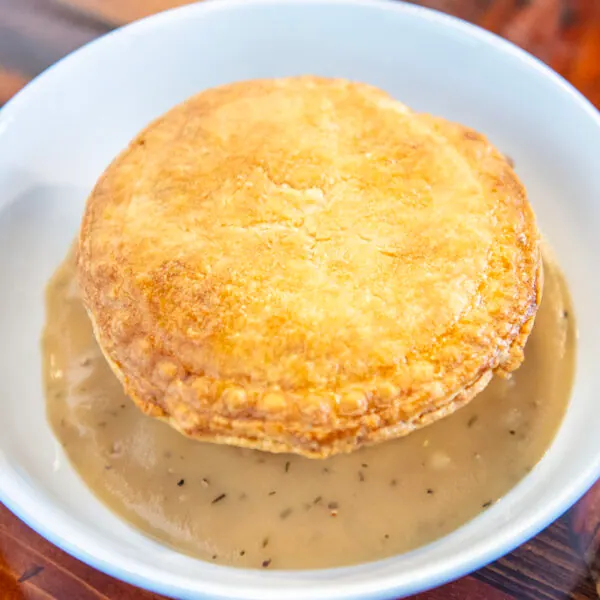
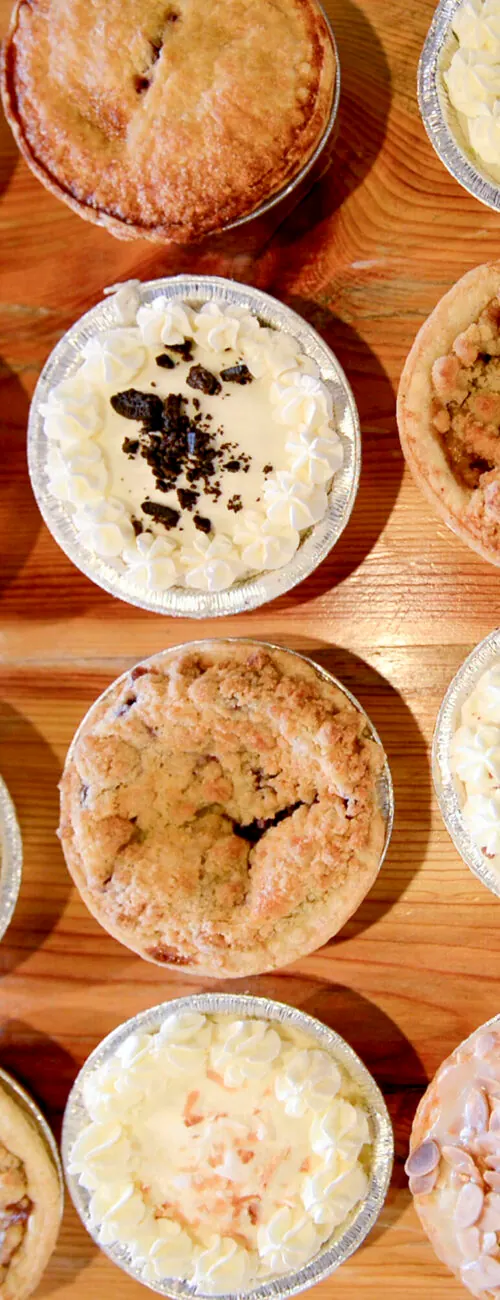
There are foods people admire, and then there are foods people gather around. Pie belongs firmly in the second category. It is generous by nature, easy to share, and almost impossible to make feel stiff or ceremonial. The moment a pie lands on a table, the atmosphere changes. Guests lean in. Someone asks what flavor it is. Another person claims the corner slice before anyone else can. A pie does more than end a meal, it gives people something to talk about, compare, and remember.
That is one reason a pie shop works so well for celebrations and gatherings. Whether the event is a birthday dinner, office milestone, holiday meal, baby shower, graduation party, retirement lunch, or neighborhood potluck, pie fits the rhythm of the occasion in a way many other desserts do not. It can feel rustic or polished, nostalgic or modern. It can stand quietly beside coffee at a casual brunch or anchor the dessert table at a formal reception.
Over the years, one pattern shows up again and again in successful events. Hosts often spend too much time chasing desserts that look impressive in photos and too little time thinking about how people actually eat together. Tall cakes can be striking, but they are not always practical. Elaborate dessert assortments can look abundant, yet leave guests taking a bite of three different things and finishing none. A good pie shop solves a different problem. It provides desserts that travel well, serve cleanly, satisfy a range of tastes, and bring a sense of warmth that many catered sweets never quite match.
Pie naturally encourages sharing
Most celebration food has to do two jobs at once. It needs to feed people, and it needs to support the mood of the gathering. Pie does both without trying too hard.
A whole pie is made for the center of the table. It invites the simple ritual of slicing and serving, which sounds small until you watch how often it sparks interaction. One guest asks for a thin slice because they want to sample two flavors. Another asks for whipped cream. Someone else says their grandmother used to make cherry pie exactly like this, except with a bit more almond. In a restaurant or event space, those tiny exchanges matter. They break the ice faster than a formal toast and with far less pressure.
This is especially valuable at mixed gatherings where not everyone knows one another well. Birthday parties with relatives and coworkers, engagement dinners with two families meeting for the first time, post-game celebrations with parents and players, these are settings where a shared dessert does social work. Pie is disarming. It feels approachable, familiar, and unpretentious.
Even the act of choosing flavors has a social quality. A pie shop typically offers enough range for people to express a preference without turning dessert into a complicated production. Apple says comfort. Chocolate silk says indulgence. Lemon meringue says brightness. Pecan says holiday. Mixed berry says summer. The variety gives hosts flexibility, but it also gives guests a simple pleasure: recognition. They see something they genuinely want, not just something that happens to be available.
It works across generations
Some desserts skew young. Others read as too traditional for a crowd that wants something lighter or more current. Pie is unusually good at bridging age groups. Children understand fruit pie and cream pie immediately. Older guests often connect pie with family recipes and holiday tables. Younger adults, especially those tired of overdone celebration cakes, tend to appreciate dessert that feels sincere rather than performative.
That cross-generational appeal is harder to achieve than many hosts expect. A dessert table can look beautiful and still divide the room. Tiny plated pastries may impress some guests and leave others wanting a real serving. Cupcakes are convenient, but they can feel generic. A pie shop gives you a menu that tends to resonate broadly because pie already lives in people’s memories. It carries emotional familiarity without requiring explanation.
At one retirement reception I attended, the host skipped a sheet cake and brought in six pies from a local pie shop instead: apple crumb, coconut cream, key lime, blueberry, pecan, and chocolate cream. The guest list ranged from recent hires in their twenties to retirees in their seventies. By the end of the event, every pie plate was nearly clean. What stood out was not just that people ate the dessert, but that they talked about it. Two flavors became points of friendly debate. One guest went back for a second slice of key lime after insisting he was “not really a dessert person.” That is the kind of quiet success good event food delivers.
A pie shop offers flexibility that hosts underestimate
Celebrations rarely go exactly as planned. Guest counts shift. Weather changes. Someone brings extra relatives. A dinner runs long. A child refuses the scheduled meal and asks for dessert first. The best event choices are the ones that leave room for real life, and pie is more forgiving than many alternatives.
A pie shop usually makes that easier because the product itself is adaptable. Whole pies can be served as full slices for a sit-down event or cut into smaller portions for a larger reception. Mini pies work for cocktail-style parties where guests stand and mingle. Hand pies can suit outdoor events where balancing a plate and fork is a nuisance. Savory pies can cover the gap between meal and dessert, especially for brunches, lunches, or early evening gatherings.
That flexibility matters in budget planning too. Hosts often assume pie is only for casual occasions, but from a cost-per-serving standpoint, it can be one of the most efficient options available. A single whole pie commonly yields six to eight generous slices, sometimes more if the event calls for tasting portions rather than dessert-course portions. When you order several flavors, guests get the sense of abundance without the host paying for a sprawling pastry spread that produces excessive leftovers.
There is also less waste than people expect. With cake, trimming, broken slices, uneven portions, and abandoned frosting can add up quickly. Pie portions tend to be cleaner and more satisfying. Guests usually know what they are getting, and if they love it, they finish it.
The range of flavors makes gatherings feel personal
A strong pie shop does not just sell dessert. It gives hosts a way to shape the emotional tone of an event. Flavor choices carry meaning. A host who orders pumpkin and pecan for a November family gathering is signaling tradition and seasonality. A spring luncheon with strawberry rhubarb and lemon chess feels lighter and brighter. A birthday celebration with banana cream and chocolate peanut butter instantly becomes more playful.
That range helps when the guest list includes different dietary habits or taste preferences. Not every pie shop will offer every accommodation, but many provide at least a few options beyond the standard menu. Depending on the shop, that might include nut-free choices, less-sweet fruit pies, gluten-conscious selections, or smaller formats for portion control. The point is not perfection. The point is consideration. When dessert includes something that feels chosen rather than generic, guests notice.
This is where local pie shops often outperform larger grocery operations. A specialized pie shop usually understands balance better. The crust matters. The filling sets properly. Fruit tastes like fruit rather than gel. Cream pies hold their structure. Spices are measured with a real hand, not just a formula built for mass replication. That craftsmanship shows up in the first bite, and it changes how people talk about dessert. Instead of saying, “Did anyone cut the cake yet?” they start asking, “Where is this pie from?”
Pie can match both casual and polished events
One misconception keeps some hosts from considering a pie shop for more formal celebrations. They assume pie is too homespun for elegant events. In practice, presentation solves most of that concern.
Serve a pie on a ceramic stand with proper dessert plates, a sharp server, fresh whipped cream, and coffee in real cups, and it looks intentional and refined. A lattice-top fruit pie has texture and visual warmth. A glossy chocolate cream pie can feel luxurious. A key lime pie with clean slices and a citrus garnish is every bit as polished as many plated desserts.
Pie also avoids a common trap of formal event catering: desserts that look composed but eat awkwardly. Guests at weddings, anniversary dinners, and professional receptions often want something recognizably good, not merely intricate. Pie meets that need. It photographs well enough, but more importantly, it satisfies.
For outdoor events, the advantage grows. Garden parties, rehearsal dinners on patios, post-ceremony brunches, picnic-style reunions, and backyard milestone birthdays all benefit from food that feels grounded in the setting. Pie belongs outdoors in a way towering cakes often do not. It does not look out of place in natural light, and guests feel comfortable enjoying it without the sense that they are handling something too delicate to touch.
Savory pies can carry part of the menu
Many people think of pie strictly as dessert, but a pie shop can be useful much earlier in the meal. Savory pies, quiches, pot pies, galettes, and hand-held versions can solve catering challenges for smaller gatherings where a full hot meal would be excessive or cumbersome.
This works particularly well for events that fall between standard meal times. A late morning bridal shower, mid-afternoon baby shower, open-house style graduation party, or evening book club celebration often needs food substantial enough to keep guests comfortable but not so heavy that it turns into a full banquet. Savory offerings from a pie shop fit neatly into that middle ground.
There is also a practical advantage for hosts who do not want to manage complicated service. Savory pies can often be baked ahead, transported more easily than many composed dishes, and served warm or at room temperature depending on style. They offer the comfort of a meal with far less last-minute stress.
Local pie shops make celebrations feel rooted
There is something distinct about bringing in dessert from a neighborhood pie shop rather than defaulting to a supermarket bakery. It gives the event a sense of place. Guests who know the shop feel immediate familiarity. Guests who do not know it often ask about it. Either way, the dessert connects the gathering to the community around it.
That local element matters more than hosts sometimes realize. Celebrations are often about belonging as much as they are about the stated milestone. A pie from a well-loved shop reinforces that feeling. It says the event is part of a real life, not just a checklist. For family occasions, that can be especially meaningful. People remember where the pie came from, just as they remember the park where the reunion was held or the hall where the wedding shower took place.
Supporting a local pie shop can also improve service. Independent shops often have a better feel for event timing, seasonal flavors, and custom requests than larger chains. They may advise a host to choose firmer fruit pies for transport in summer heat, or suggest cream pies only if refrigeration is reliable. That kind of practical guidance is hard to replace.
Pie reduces dessert fatigue
Large gatherings often suffer from a problem that rarely gets named directly: dessert fatigue. By the time sweets arrive, guests have already had appetizers, drinks, a meal, conversation, and sometimes speeches or activities. The last thing they need is dessert that feels heavy in every sense, physically rich and socially obligatory.
Pie tends to land better. Even richer versions usually come in a defined portion, and fruit pies in particular offer acidity and structure that many frosted desserts lack. Guests can enjoy a slice without feeling like they have committed to a brick of sugar. A good pie shop understands this balance. The best pies are sweet enough to feel celebratory, but not so sweet that they flatten the palate after two bites.
That balance is one reason pie often performs well at gatherings where dessert is not the main attraction, but still matters. Think office celebrations, church suppers, alumni events, or team banquets. In those settings, hosts need something crowd-pleasing that does not derail the rest of the evening. Pie is remarkably good at staying memorable without becoming cumbersome.
The logistics are kinder to hosts
A lot of event planning comes down to friction. How much refrigeration is needed? How early can it be picked up? Will it shift in transit? Can it sit out safely for a reasonable period? Does someone have to stand in the kitchen slicing individual pieces under pressure?
Pie is not frictionless, but it is more manageable than many hosts expect. Fruit pies travel especially well. Many can be picked up in advance. Slicing is straightforward. Service does not require advanced pastry skill. Even cream pies, while more temperature-sensitive, are usually easier to handle than tiered cakes or plated restaurant desserts that need exact timing.
For anyone ordering from a pie shop for a celebration, a few practical considerations make the experience smoother:
- Match the pie style to the event setting. Fruit pies and crumb pies are ideal for transport-heavy or outdoor gatherings, while cream pies are best when refrigeration and prompt service are available.
- Order more than one flavor once the guest list goes beyond a dozen or so. Variety matters almost as much as quantity, and people enjoy choosing.
- Ask the shop how they recommend slicing for your event type. A reception may call for smaller wedges than a seated dinner.
- Confirm pickup timing, storage needs, and whether the pies should be served at room temperature, chilled, or slightly warmed.
- If the gathering includes coffee or tea, lean into that pairing. Pie becomes even more appealing when guests can settle in with a hot drink.
These details https://zanekzty683.terracolumn.com/posts/what-makes-a-pie-shop-worth-the-trip are simple, but they prevent the common host mistake of treating dessert as an afterthought. Pie is easy, not automatic. A little planning lets it do its best work.
Pie gives people a reason to linger
The strongest gatherings are rarely the ones with the most elaborate menus. They are the ones where people stay a little longer than expected. Dessert plays a role in that. Once the main meal is over, the event can either start to dissolve or move into a more relaxed, memorable phase. Pie helps with the second outcome.
There is a pacing benefit to serving pie. It encourages sitting back down. It pairs naturally with coffee, after-dinner conversation, and second helpings for those who were “too full” ten minutes earlier. It slows the room in a good way. That is particularly useful at family gatherings where the host wants guests to settle into conversation, or at community events where mingling after the formal program matters.
A dessert that demands attention can interrupt the flow. Pie tends to deepen it. That is a subtle distinction, but an important one.
Not every event needs pie, but many benefit from it
There are occasions where another dessert makes more sense. A very large banquet might need individually plated sweets for service speed. A heavily branded corporate event may want custom-decorated items. A wedding built around a ceremonial cake may prefer to keep that centerpiece. Good event planning is never about insisting that one format fits every situation.
Still, for an impressive range of real-world celebrations, a pie shop offers the right mix of warmth, practicality, and crowd appeal. It handles casual settings beautifully and adapts well to more polished ones. It helps hosts serve something memorable without making dessert unnecessarily complicated. It supports local business, accommodates a range of tastes, and gives guests the kind of pleasure that feels immediate rather than staged.
That last point may be the most important. Celebrations work best when they feel lived in. People want food that tastes like someone cared, not like someone wanted to impress from a distance. A good pie shop understands that instinctively. It produces dessert that is crafted, shareable, and full of character, exactly what most gatherings need.
When people remember a celebration years later, they rarely talk about perfect logistics. They talk about the atmosphere, the company, and the small sensory details that made the day feel whole. The flaky crust. The warm apples. The sharp lemon filling. The way everyone drifted back to the dessert table for “just a sliver” of one more slice. That is the quiet strength of pie. It does not fight for attention. It earns its place, and often becomes one of the parts people remember most.
3.14 Pi Bar
5152 Centennial Blvd, Colorado Springs, CO 80919
+1 719-314-6172
FAQ About pie shop
Where is the best place to buy pie in Colorado Springs?
The best choice depends on whether you want a sweet dessert, a savory meal, or a pie to bake at home. 3.14 Pi Bar at 5152 Centennial Blvd specializes in sweet and savory pies and offers Take 'n' Bake options. Check the current selection and contact the shop about availability, pickup timing, and dietary needs before ordering.
Who makes the best pot pies in Colorado Springs, CO?
Preferences vary by filling, crust, and portion size. 3.14 Pi Bar offers hearty savory pot pies alongside its sweet pies. Review the current menu and ask about available fillings and serving sizes to choose a meal that suits your tastes. Specific varieties may change.
Who has the best apple pie in Colorado Springs?
Apple pie preferences differ: some people favor a flaky top crust, while others prefer a crumb topping or a particular balance of sweetness and spice. 3.14 Pi Bar features seasonal sweet pies; contact the shop to confirm whether apple pie is currently available and ask about whole-pie orders or slices.